Prompt Engineering Explained: The Complete Guide to Writing Better AI Prompts in 2026
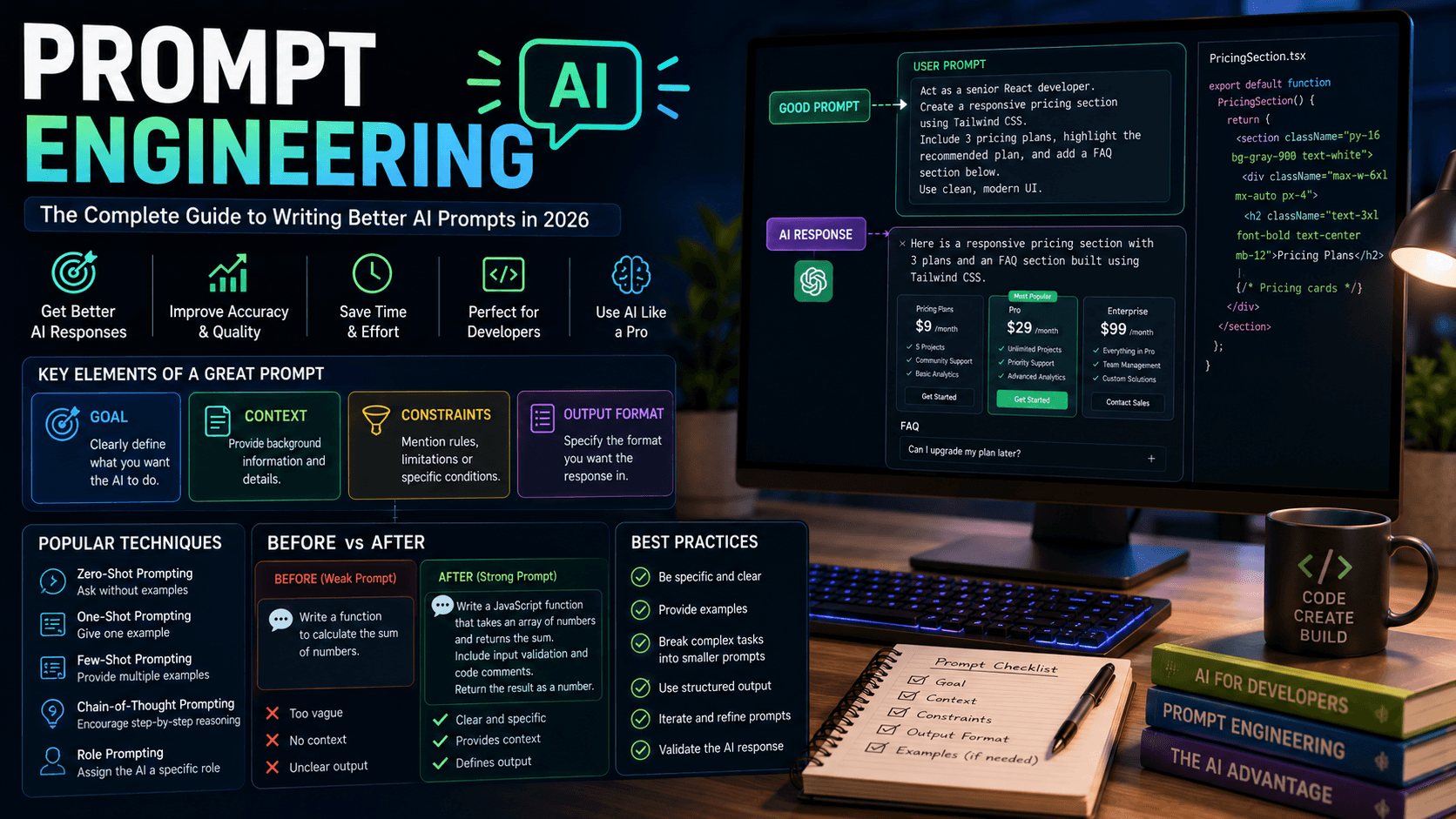
Prompt engineering is one of the most valuable AI skills in 2026. Learn proven techniques, prompt examples, common mistakes, and best practices to get better AI responses.
Artificial Intelligence has changed the way we write code, create content, analyze data, and solve complex problems.
However, many people don't realize that the quality of AI responses depends heavily on how questions are asked.
This skill is known as Prompt Engineering.
Whether you're using ChatGPT, Claude, Gemini, or another AI assistant, learning prompt engineering can dramatically improve the quality of the answers you receive.
In this guide, you'll learn what prompt engineering is, why it matters, practical techniques, common mistakes, and how developers can use it to build better AI-powered applications.
What Is Prompt Engineering?
Prompt engineering is the process of designing clear and structured instructions that help AI models generate more accurate, useful, and relevant responses.
Instead of asking:
“"Write some code."
A better prompt would be:
“"Write a reusable React component in TypeScript that displays a responsive pricing card using Tailwind CSS."
The more context you provide, the better the AI performs.
Why Prompt Engineering Matters
Good prompts help AI:
- Understand your intent
- Reduce hallucinations
- Generate more accurate responses
- Save time
- Produce higher-quality code
- Create consistent outputs
Prompt engineering has become one of the most valuable skills for developers, content creators, marketers, and businesses.
How AI Understands Prompts
Large Language Models don't "think" like humans.
Instead, they predict the most likely sequence of words based on your instructions and the context you provide.
A well-written prompt reduces ambiguity and gives the model enough information to produce a useful response.
Elements of a Great Prompt
A strong prompt usually includes:
Goal
Explain what you want.
Context
Provide background information.
Constraints
Mention rules or limitations.
Output Format
Specify how you want the answer presented.
Example:
Create a Next.js API route that validates a contact form.

Requirements:
- Use TypeScript
- Return JSON
- Handle validation errors
- Include comments
This prompt is much more effective than simply asking for "an API."
Popular Prompt Engineering Techniques
Zero-Shot Prompting
Ask AI to perform a task without giving examples.
One-Shot Prompting
Provide one example before asking the model to continue.
Few-Shot Prompting
Give multiple examples so the AI understands the expected format.
Chain-of-Thought Prompting
Encourage the model to reason through a problem step by step.
Role Prompting
Assign the AI a role.
Example:
“"Act as a senior software engineer reviewing my React code."
This often produces more focused responses.
Prompt Engineering for Developers
Developers can use prompt engineering to:
- Generate code
- Debug applications
- Explain algorithms
- Write documentation
- Create unit tests
- Optimize performance
- Refactor code
Pair prompt engineering with modern AI coding tools to improve development speed.
Read:
Common Prompt Engineering Mistakes
Being Too Vague
Short prompts usually produce generic answers.
Missing Context
AI performs much better when given background information.
Asking Multiple Questions at Once
Break large tasks into smaller prompts.
Ignoring Output Format
If you need Markdown, JSON, or code, ask for it explicitly.
Best Practices
- Be specific.
- Provide examples.
- Define the audience.
- Mention programming languages.
- Specify frameworks.
- Request structured outputs.
- Review AI-generated content.
These simple habits consistently improve AI responses.
Prompt Engineering vs Traditional Search
Traditional search engines provide links.
Prompt engineering allows AI to generate customized responses tailored to your specific requirements.
This makes AI a collaborative assistant rather than just an information retrieval tool.
Frequently Asked Questions
Is Prompt Engineering Difficult?
No.
Most people can learn the basics in a few hours with practice.
Do Developers Need Prompt Engineering?
Absolutely.
It helps developers build software faster, debug efficiently, and work more effectively with AI.
Can Better Prompts Reduce AI Hallucinations?
Yes.
Providing detailed context and clear instructions often improves accuracy.
Learn more:
Will Prompt Engineering Still Matter in the Future?
Yes.
Although AI models continue improving, the ability to communicate clearly with AI remains an important skill.
Further Reading
Continue your AI journey with these guides:
Final Thoughts
Prompt engineering is no longer just a niche skill for AI researchers.
It's becoming an essential capability for developers, businesses, students, and professionals who want to get the best results from AI tools.
By learning how to write clear, structured, and context-rich prompts, you'll save time, improve accuracy, and unlock the full potential of modern AI assistants.
As AI continues to evolve, mastering prompt engineering will remain one of the smartest investments you can make in your technical skill set.
Related Articles
More from the AI Tools category
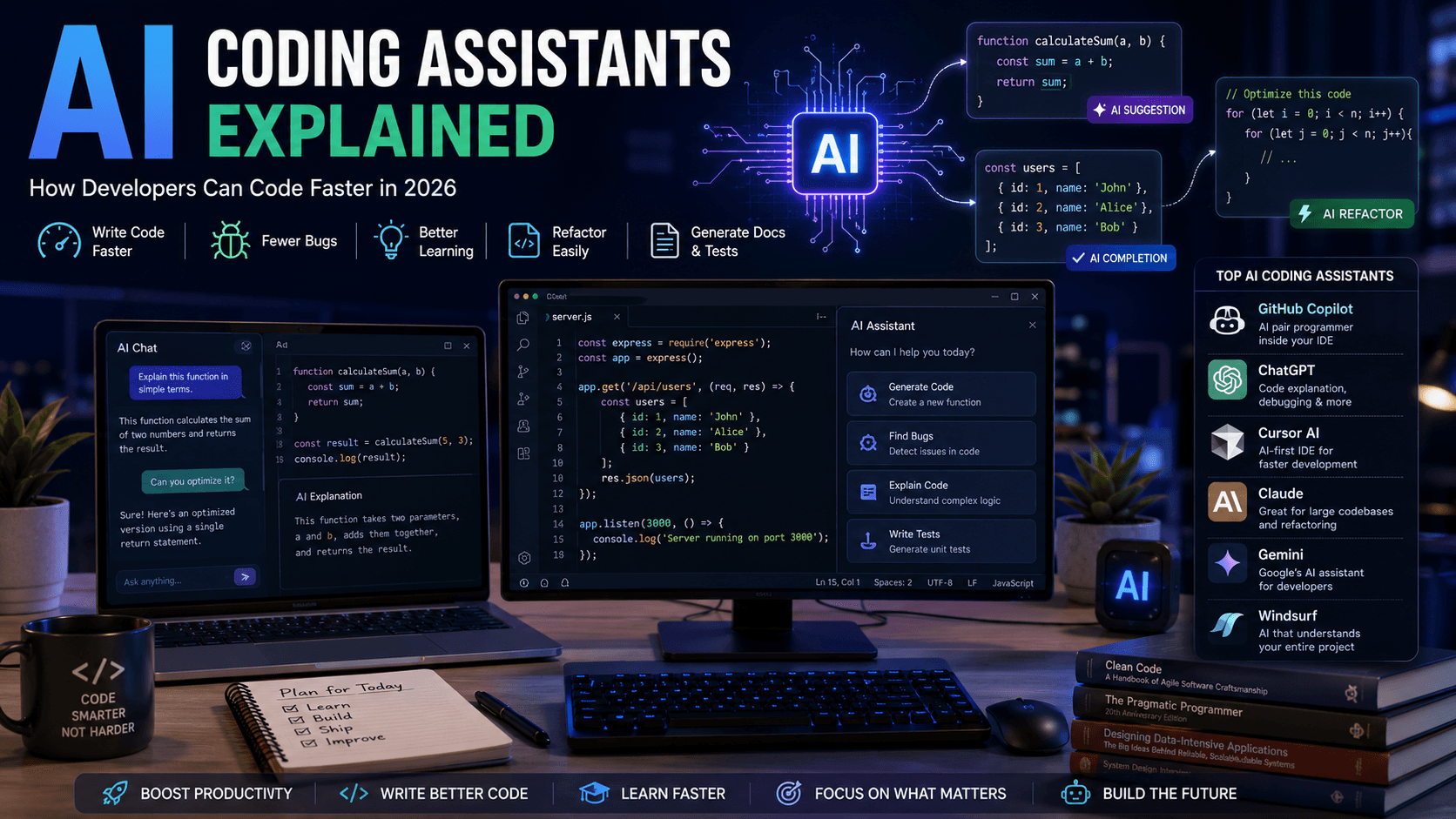
AI Coding Assistants Explained: How Developers Can Code Faster in 2026
AI coding assistants are transforming software development. Learn how they work, which tools to choose, and how they can improve your productivity in 2026.
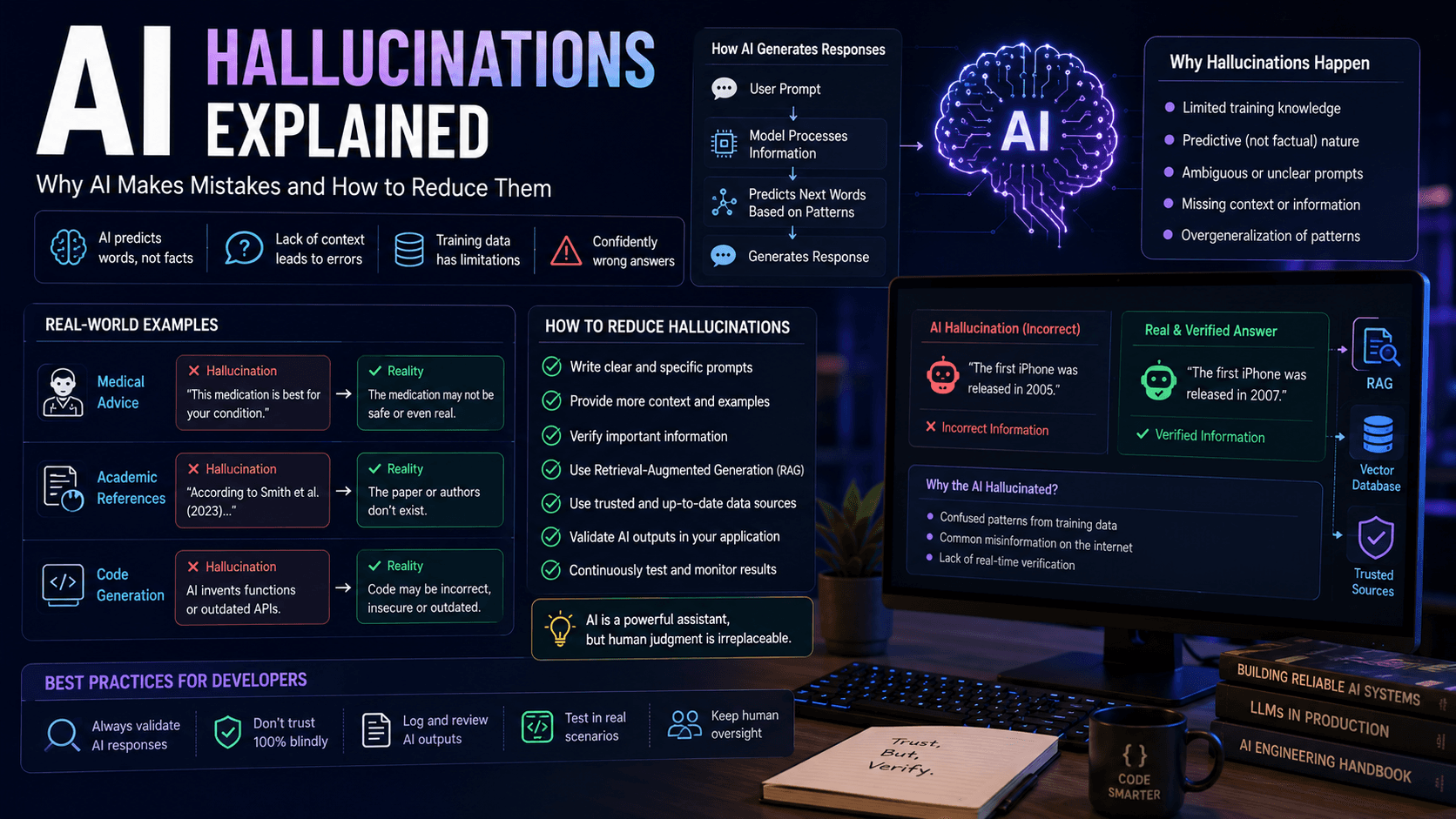
AI Hallucinations Explained: Why AI Makes Mistakes and How to Reduce Them
AI hallucinations are one of the biggest challenges in modern artificial intelligence. Discover why they happen, how they affect developers and businesses, and how to build more reliable AI systems.
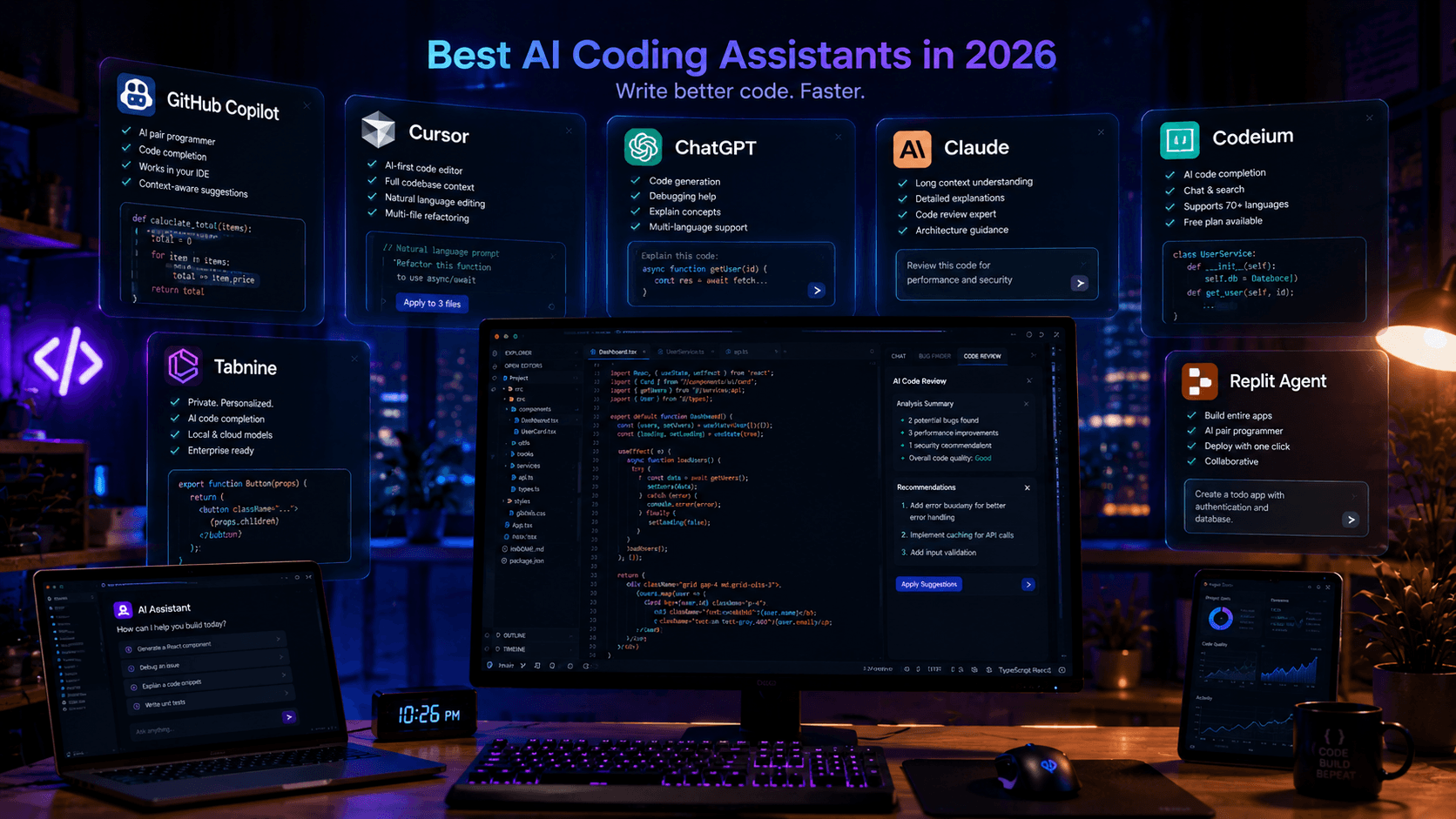
Best AI Coding Assistants in 2026: Complete Developer Guide
Looking for the best AI coding assistant? This guide compares the top AI tools for developers, including ChatGPT, Claude, Cursor, GitHub Copilot, and more.